History
At Sledmere and Wetwang Federation our intent in History is to provide a high-quality history education which will help pupils gain a coherent knowledge and understanding of Britain’s past and that of the wider world.
Our intent is that all children:
-
Achieve their potential.
-
Experience high quality teaching and learning at all times.
-
Are inspired by our teaching.
-
Are curious to know more about the past.
-
Ask perceptive questions, think critically, weigh evidence, sift arguments, and develop perspective and judgement.
We implement our History curriculum through:
-
In EYFS, we implement History through exploring key historical vocabulary and learning key calendar events, remembering our learning through vocabulary floor books. We follow children’s interest but promote further challenge through adult interactions and by providing books to learn about historical events.
-
Our curriculum sequence of Assess, Teach and Re-assess.
-
Visits and experiences focusing historical knowledge and skills.
-
High quality modelling and scaffolding of History skills in order for all children to achieve excellence.
-
Nurture and relationships allow adults to support children to experiment and challenge themselves.
-
Learning journeys that reflect what is being taught.
-
Learning that is high quality, showing a range of History and evidence the highest expectations.
-
Learning across the curriculum is sequentially planned to build on knowledge and skills.
The impact of our History approach is children understand our past and their ancestors. They are passionate about History and its significance today. It helps them to understand their lives and the challenges of their time.
(Due to our school context of mixed-age classes it is not always possible to teach History chronologically. We are careful to make links with previous learning, to make clear links with other subject areas and to immerse our pupils in the rich vocabulary associated with the study of History.)
Mastery
Independence - Expecting pupils to show initiative, not just in their research but also in applying ideas that have already been covered.
Confidence - e.g. when finding solutions to historical problems and mysteries. Rather than being fazed by a paradox, they thrive on trying to resolve the puzzle e.g. why the Mayan empire came to an end so abruptly .
Application - to a range of different periods of history (comparing Ancient Egypt with other ancient societies to see what things they had in common) and to other areas of the curriculum .
Authority - opportunity to evaluate and critique others’ work e.g. summarising the achievements of the Ancient Greeks.
Command - ability to synthesise lots of disparate pieces of information and bring them into a coherent shape e.g. lesson on World War Two when pupils have to be museum curators deciding which items best illustrate the hardships of WW2. Hard choices require deep thinking.

|
Curriculum Coverage Map History | [pdf 228KB] |

|
|
|
Curriculum Progression Map History | [pdf 233KB] |
|
|
|
Class 1 History | [pdf 892KB] |
|
|
|
Class 3 History | [pdf 837KB] |
|
|
|
Class 2 History | [pdf 785KB] |
|
What do our children think?
"I love learning about people in the past."
"Finding out about history helps us to understand today."
"Things in the past were often different. Some things were better, others worse."
"I like learning about History, because I enjoy finding out about events that have happened."
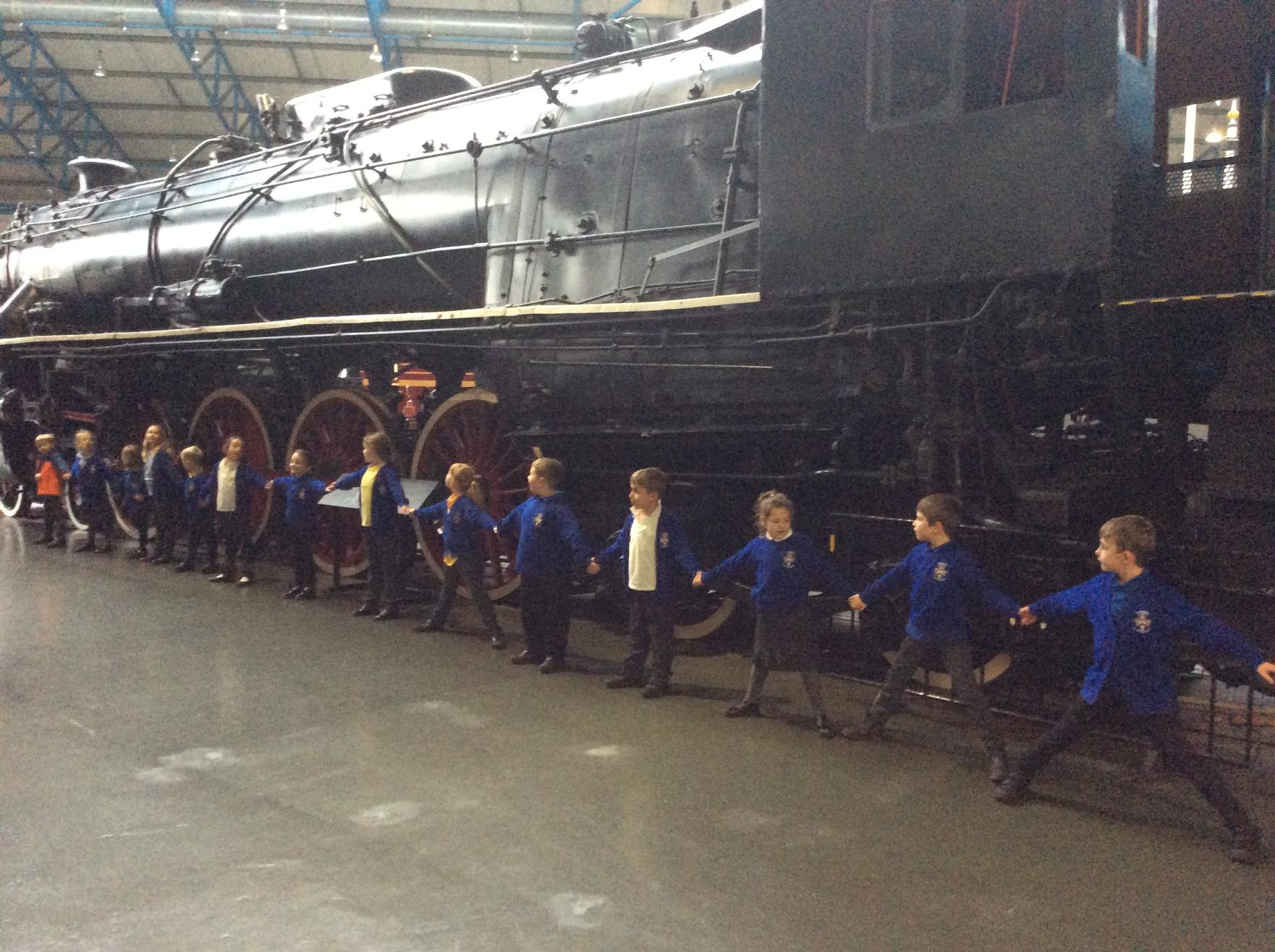
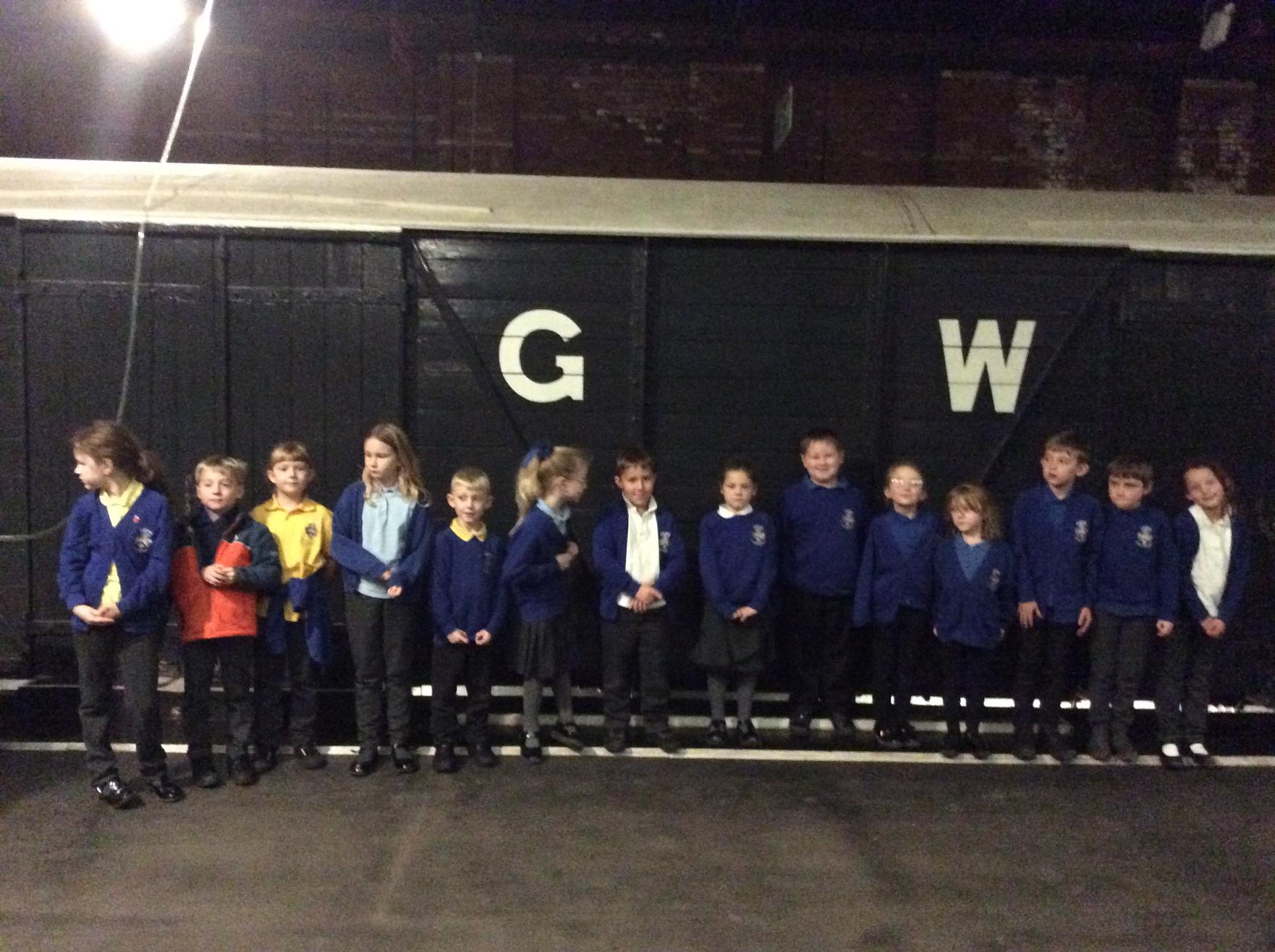
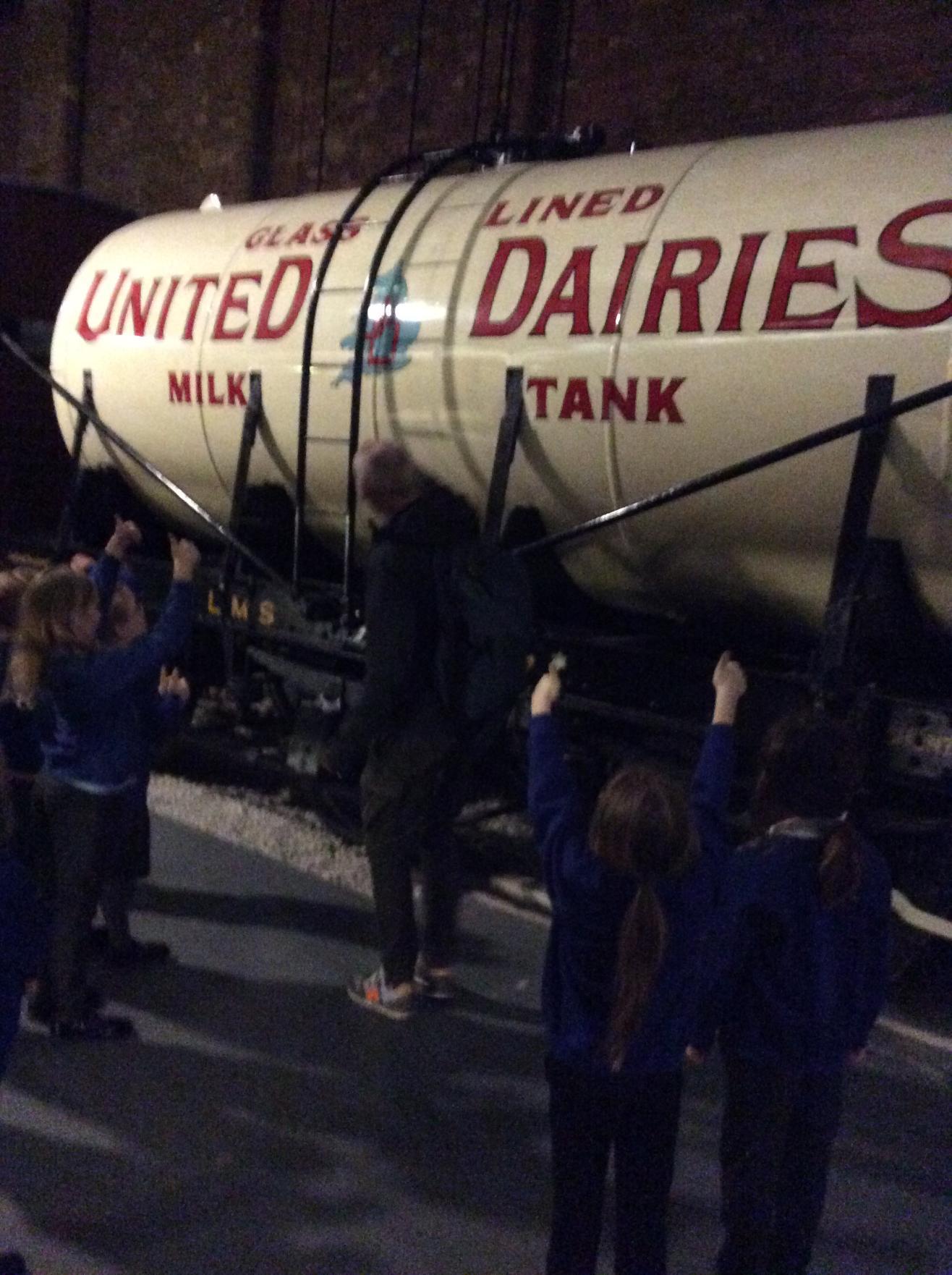
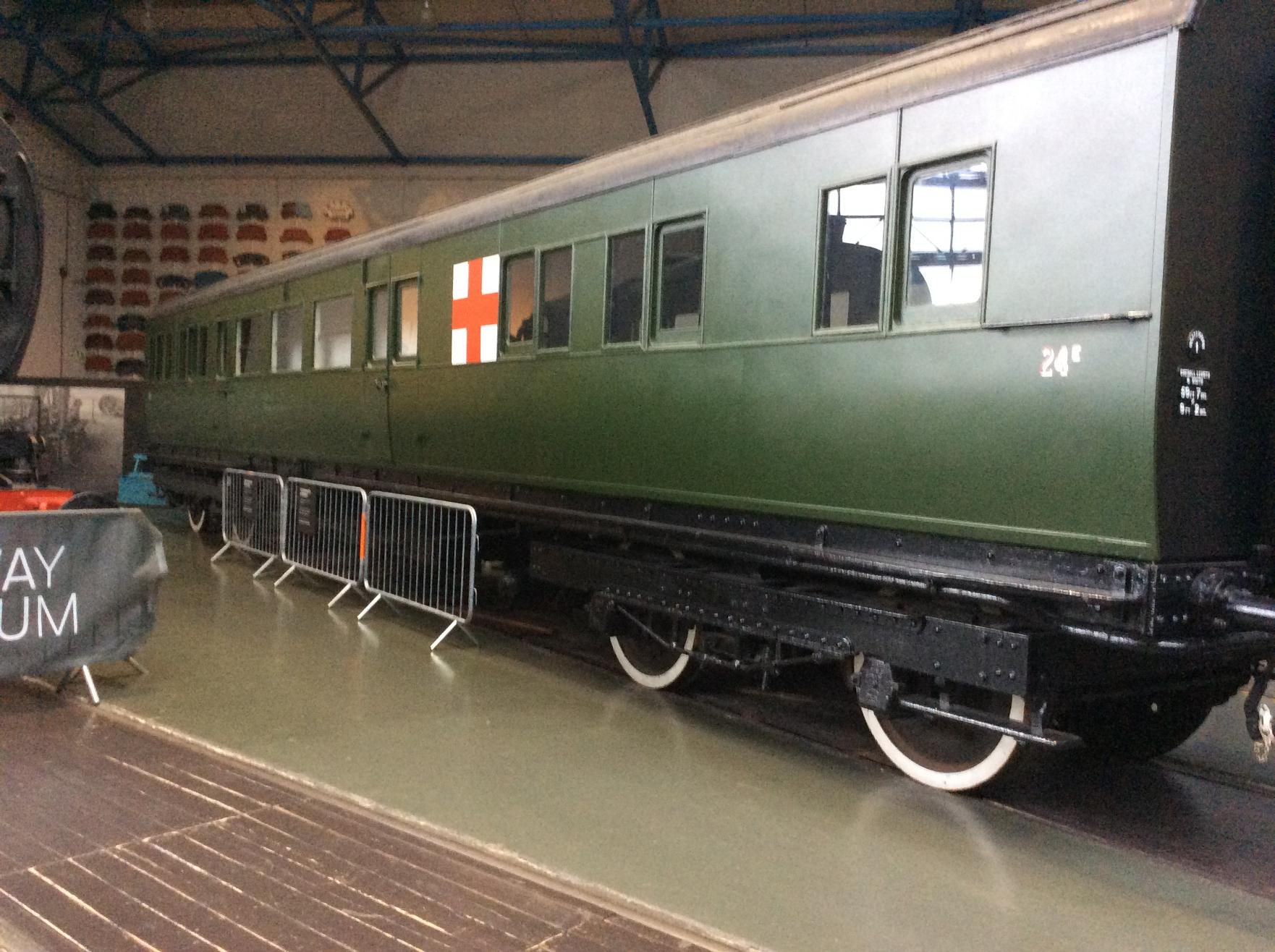
"I have enjoyed learning about trains."
"You get to find out new facts."
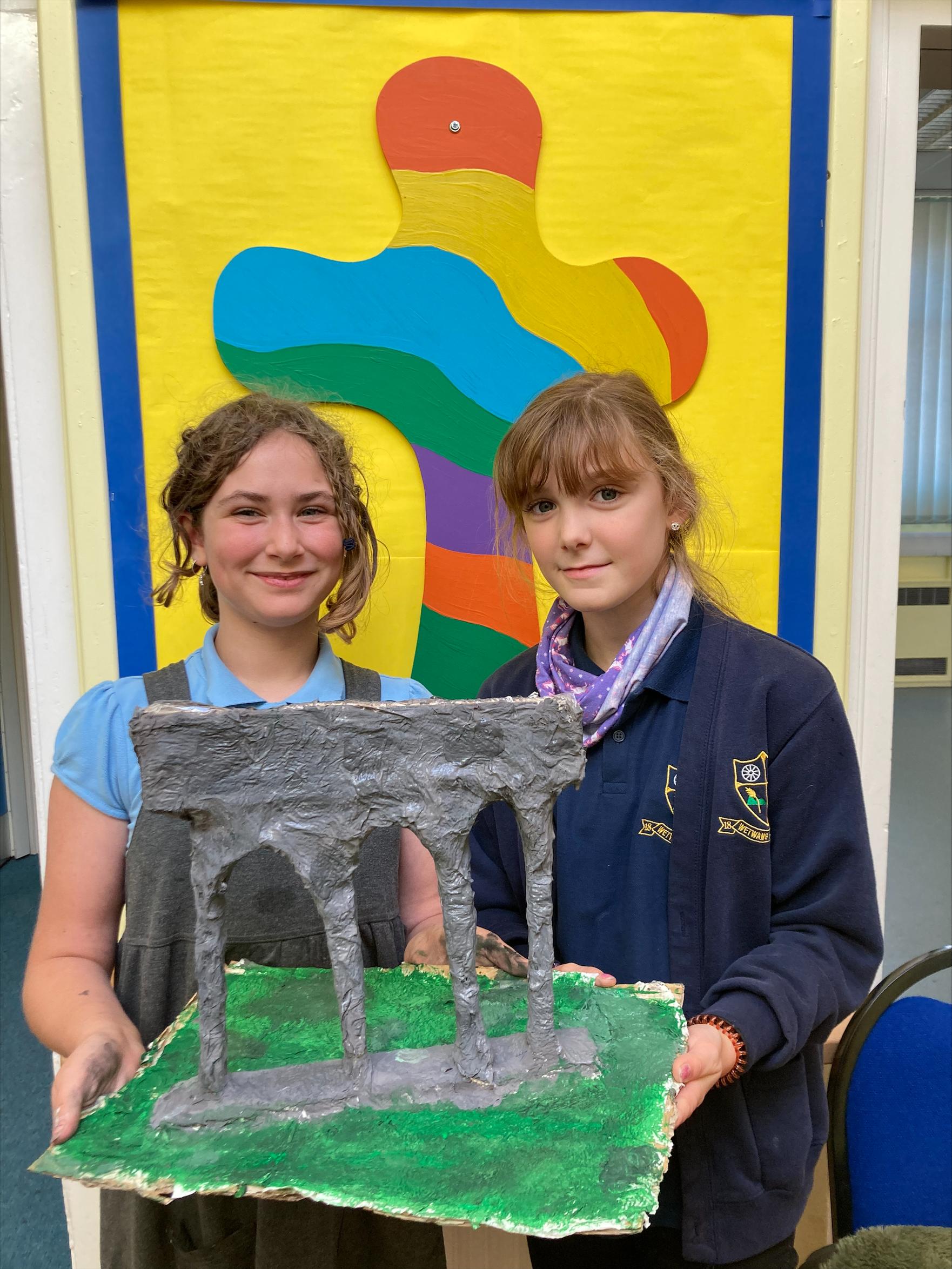
What was the Roman legacy in Britain?
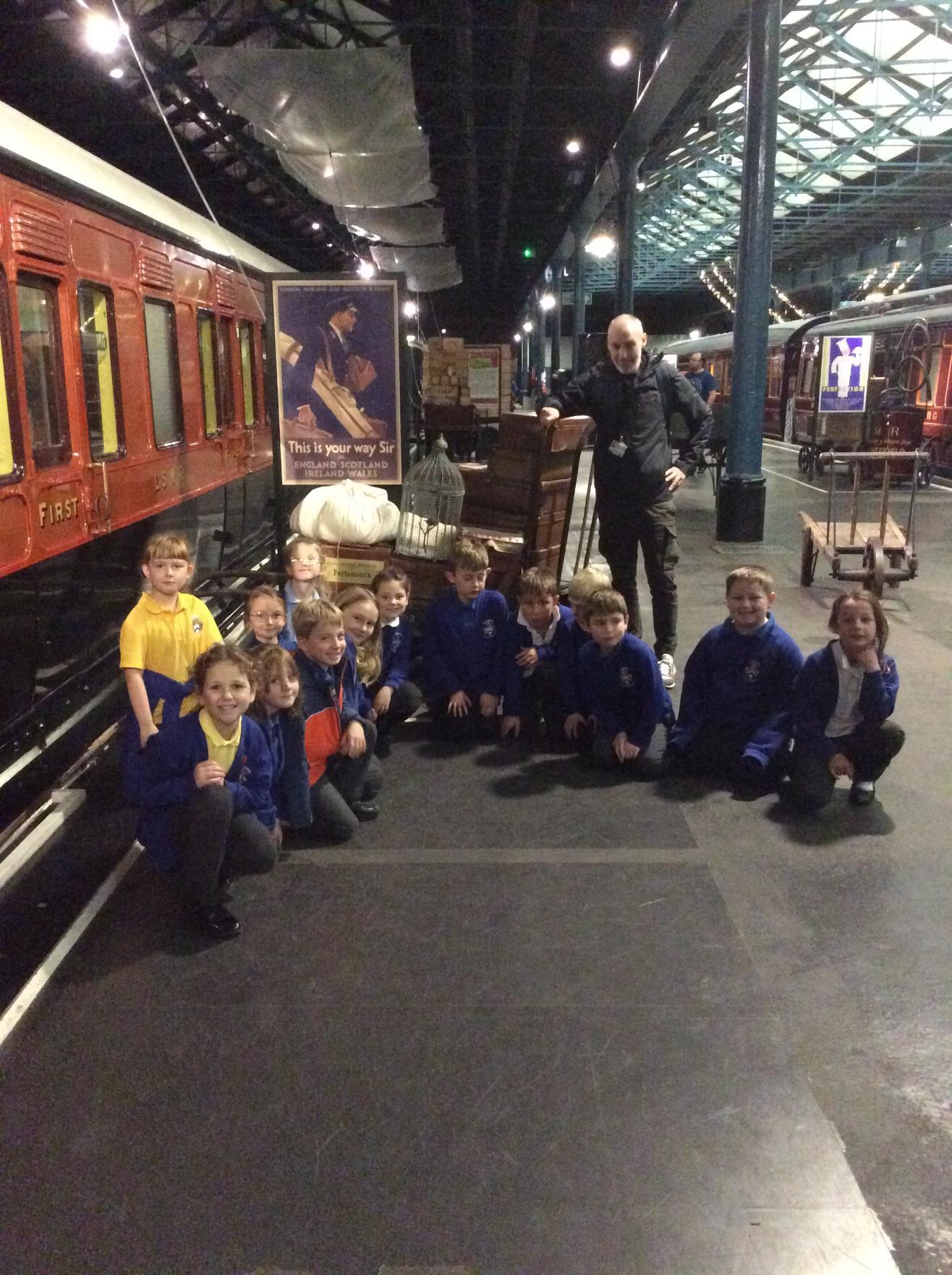
How have trains improved people's lives?

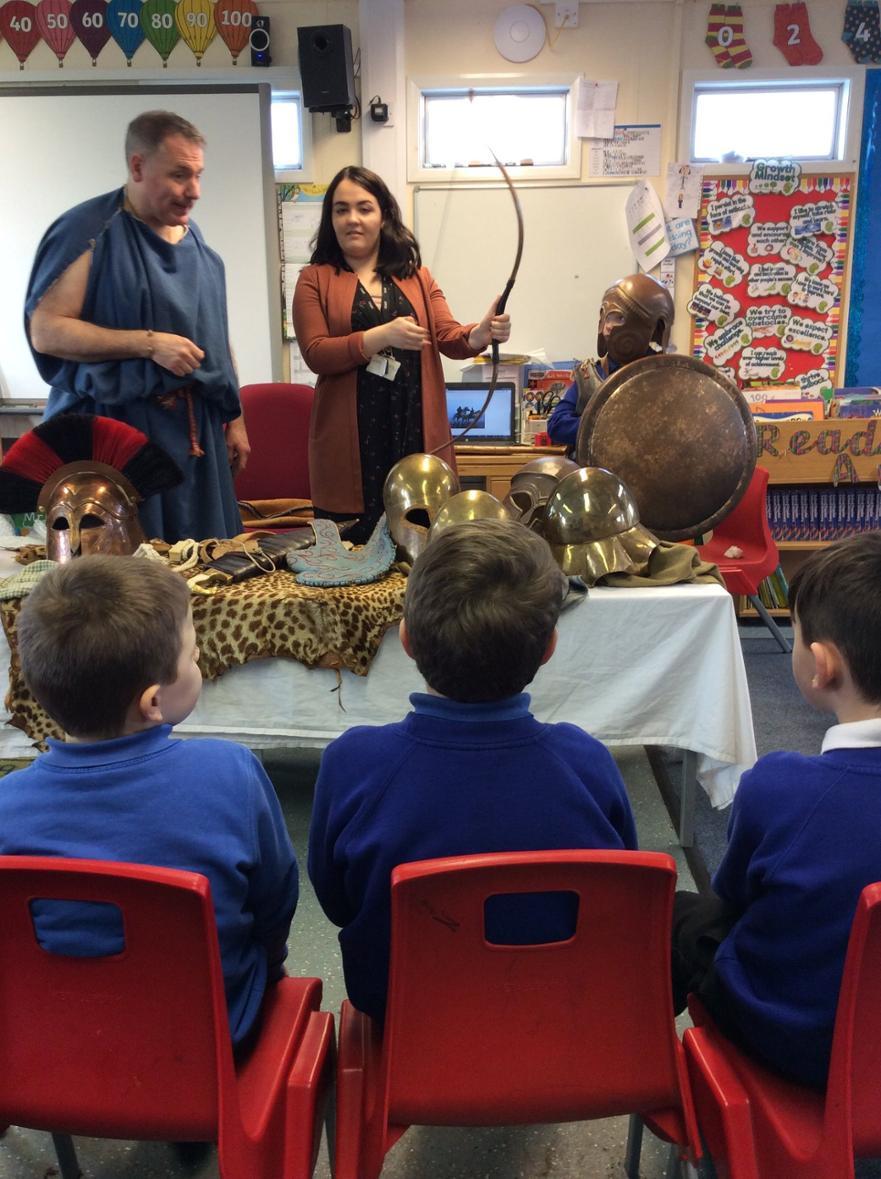
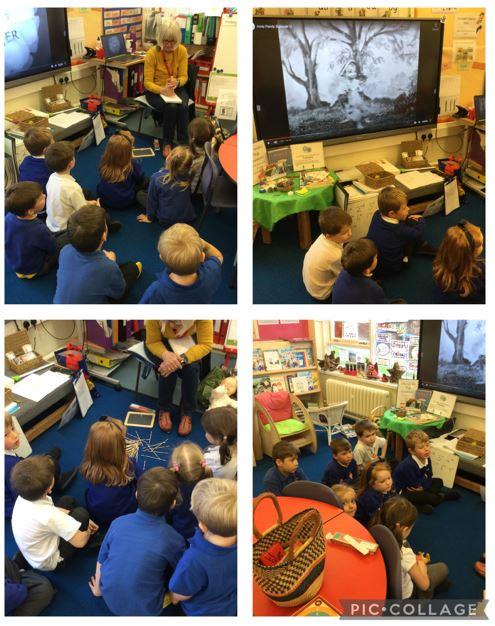
How did Roman soldiers live when they were stationed in Britain?
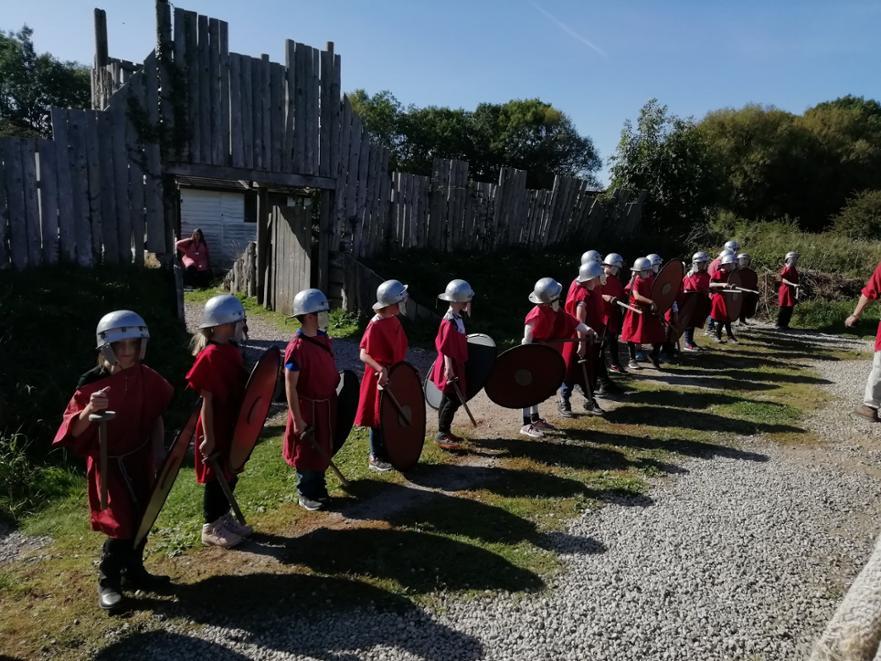
How was life different in Britain during the Stone Age and Iron Age?
![Image[14]](/_images/1654772_l.jpeg)
"We learn lots and remember lots."
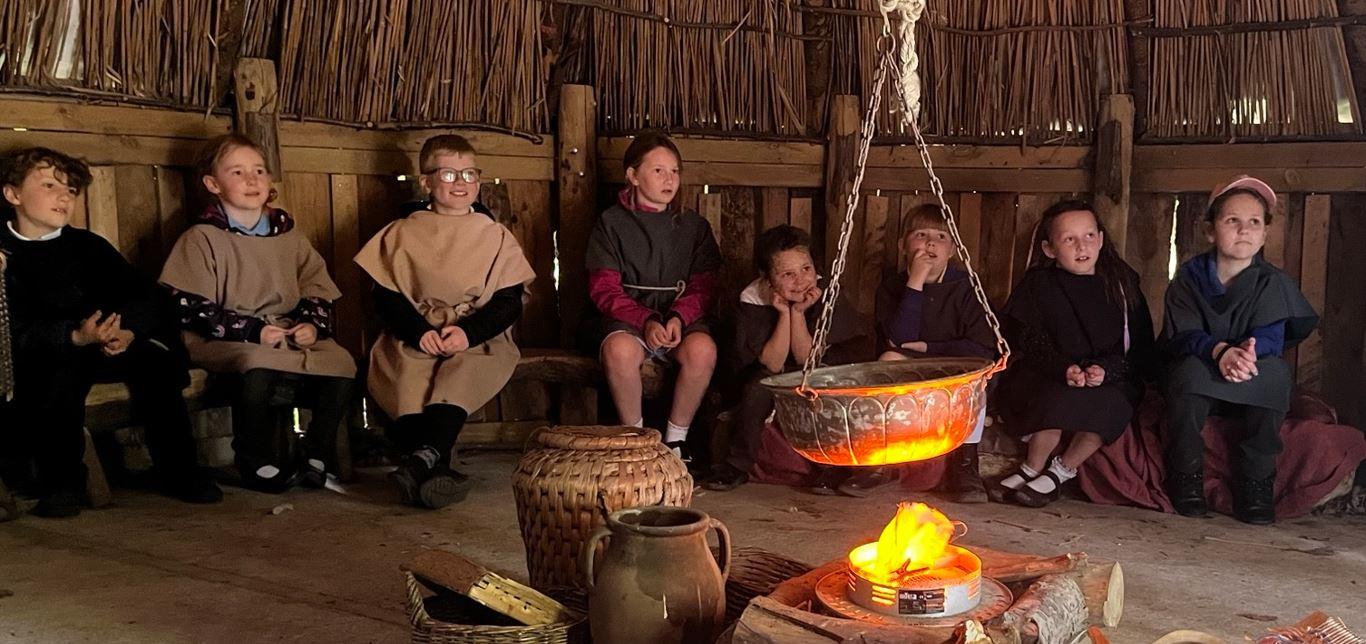
Weaving...
![Image[6]](/_images/1654769_l.jpeg)
Making food...
![Image[2]](/_images/1654766_l.jpeg)